

Helping your child to feel safe, secure and capable in their world.

Play & Grow Therapy provides play therapy, early intervention and developmental support for children aged 2–9 in Armidale and the New England region.
We support neurodivergent children, developmental delays, emotional regulation, behavioural challenges, autism, ADHD and school readiness through relationship-based, play-centred support.
How can Play & Grow support your child?

Supporting children to understand and express their emotions, build self-esteem, develop resilience, and feel safe within themselves.
Emotional Wellbeing and Confidence

Social, Communication and School Challenges
Developing communication skills, social connection, turn-taking, and confidence in navigating friendships and school environments.

Behavioural Support & Emotional Regulation
Building skills in emotional regulation, coping strategies, and managing big feelings in a safe and supportive way.

Developmental Delays, Neurodivergence & Emotional Support
Providing support through understanding and nurturing each child’s unique developmental journey.
Services
-

Play Therapy (CCPT)
Play Therapy is a child-centred approach that supports children aged 2–9 years with their emotional and psychological wellbeing. Through play — a child’s natural language — children are supported to express feelings, build emotional regulation, and feel safe and understood.
Play Therapy can be especially supportive for neurodivergent children, including autistic children and children with ADHD, as well as children experiencing anxiety, trauma, big emotions, behavioural challenges, social differences, or grief. Sessions are flexible and individualised, meeting each child where they are and supporting their unique needs and development.
-
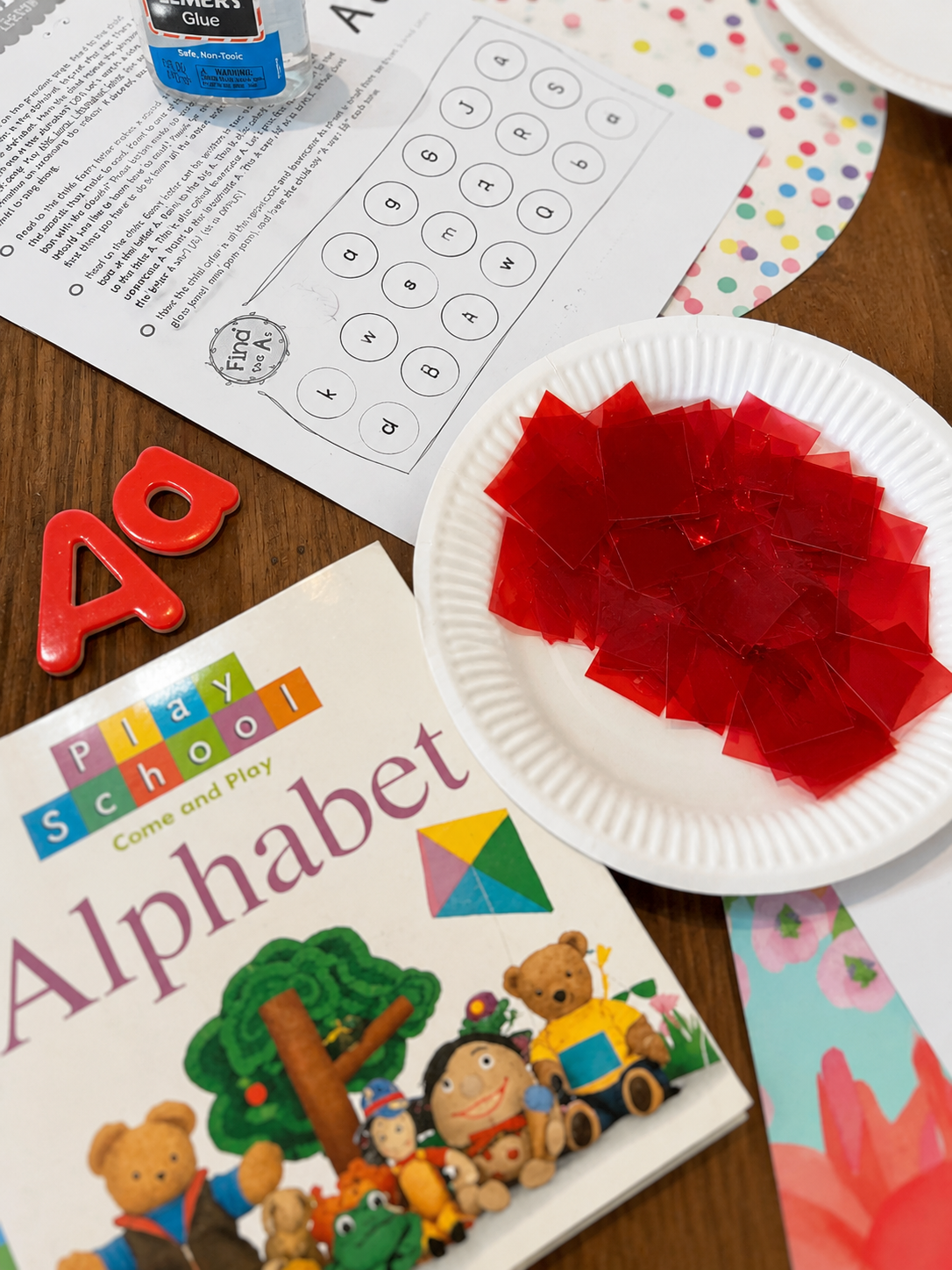
Play-Based Early Intervention & Development Support
Play-based support designed to strengthen emotional regulation, communication, social participation, learning foundations and everyday functioning for children with developmental delays, disability, autism, ADHD and additional support needs. Sessions are tailored to each child’s unique strengths, interests and developmental profile through relationship-based, neuroaffirming support that values connection, safety and individual differences.
Support may focus on building confidence, independence, flexibility, regulation, early learning skills and participation across home, early learning, school and community environments through meaningful, play-centred experiences.
-

Family Support (Telehealth)
Family Support sessions provide a collaborative space for parents and caregivers to better understand their child’s emotional, developmental and regulation needs. Together we explore practical, neuroaffirming strategies to support daily routines, behaviour, communication, transitions, emotional wellbeing and family connection at home and within everyday environments.
Families who are interested in strengthening connection through play may also participate in home-based filial therapy coaching, where parents are supported to learn therapeutic play skills that can be gently integrated into everyday interactions and relationships at home.